What are the best solutions for soundproofing multi story apartments? When you’re living in a multi-story apartment, there are all sorts of annoyances that come with it and noise is the top offender. Footsteps overhead, loud conversations next door those are just a few of the harms that interfere with your peace and tranquillity. If you are trying to figure out the best ways to soundproof an apartment floor, you aren’t alone. At 2ndFlooring, we’ve collected effective methods for dealing with airborne and impact noise. Read on to learn how you can turn your apartment into a more peaceful and quiet sanctuary.
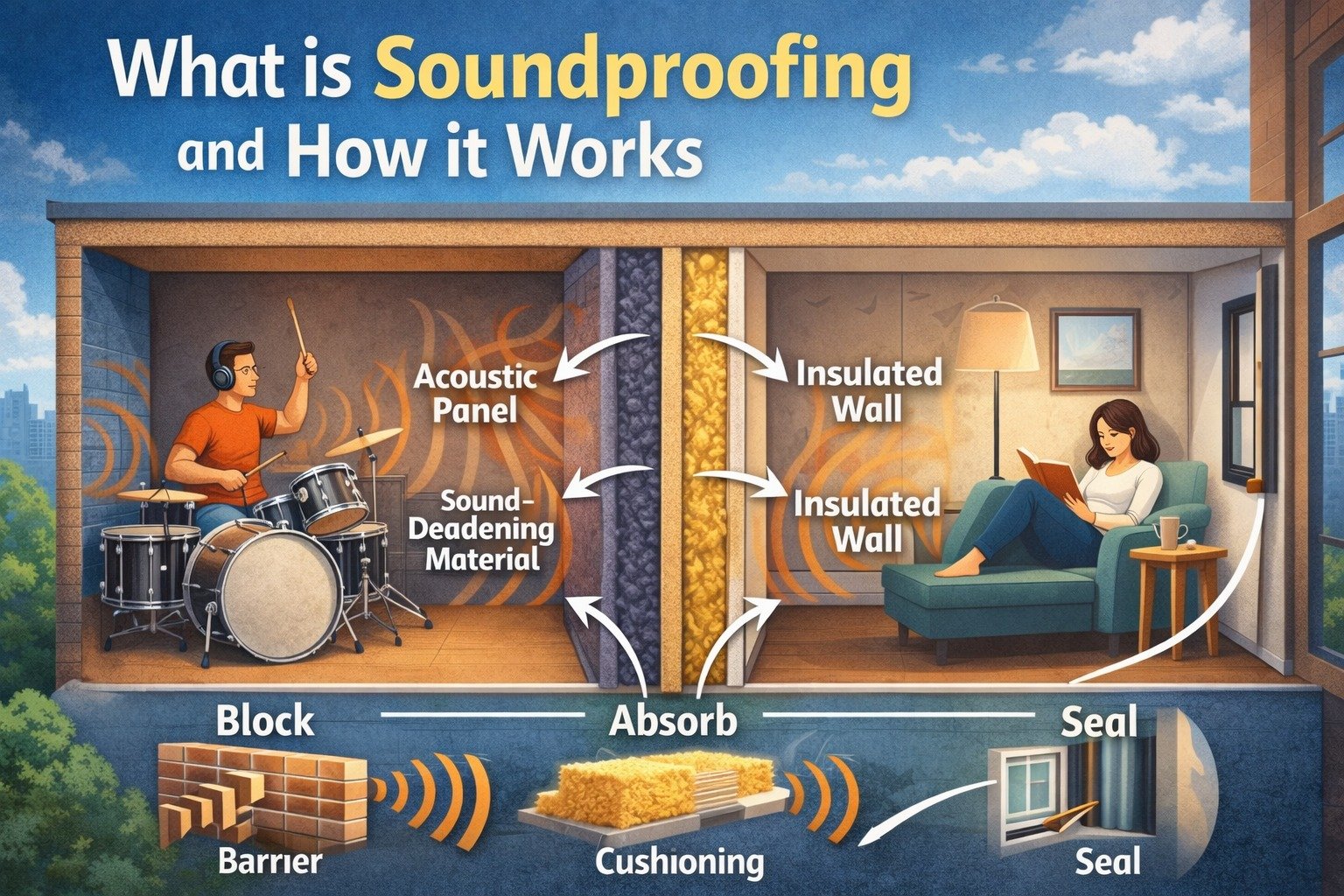
What is soundproofing and how it works
Soundproofing can be done in a variety of ways, ranging from sound-insulating construction to noise barriers and the use of silence seekers. They do this by either interfering with or absorbing sound waves in such a way that they are unable to pass through walls, floors and ceilings. Decoupling is the process of separating structures to avoid direct connection points, while absorption materials such as fiberglass will trap and convert sound energy into heat. Damping dissipates vibrating energy, and mass (adding weight in the form of rigid barriers to walls or ceilings) prevents sound waves from easily entering. Using both these techniques works best, to have peace and quiet in noisy rooms.
How to soundproof a multi story apartment
Multi-Story Apartment Soundproofing Increasing your quality of life means reducing both sound transfer as well as vibration or impact noise. Some common options are thicker rugs and denser underlayment for floors to help reduce the amount of sound transmitted, while interlocking foam mats can be great for dampening vibrations in home gyms. Dense furniture, such as bookshelves on walls can block noise and soundproofing can be accomplished with installation of Mass Loaded Vinyl (MLV) or acoustic panels. For ceilings, acoustic panels or bulky tapestries can help reduce noise from above. Weatherstripping and door sweeps also keep sound from leaking out of doors and windows so you can enjoy a more calm, quiet apartment.
Read More: Best waterproof flooring for bathroom
Best apartment soundproofing methods
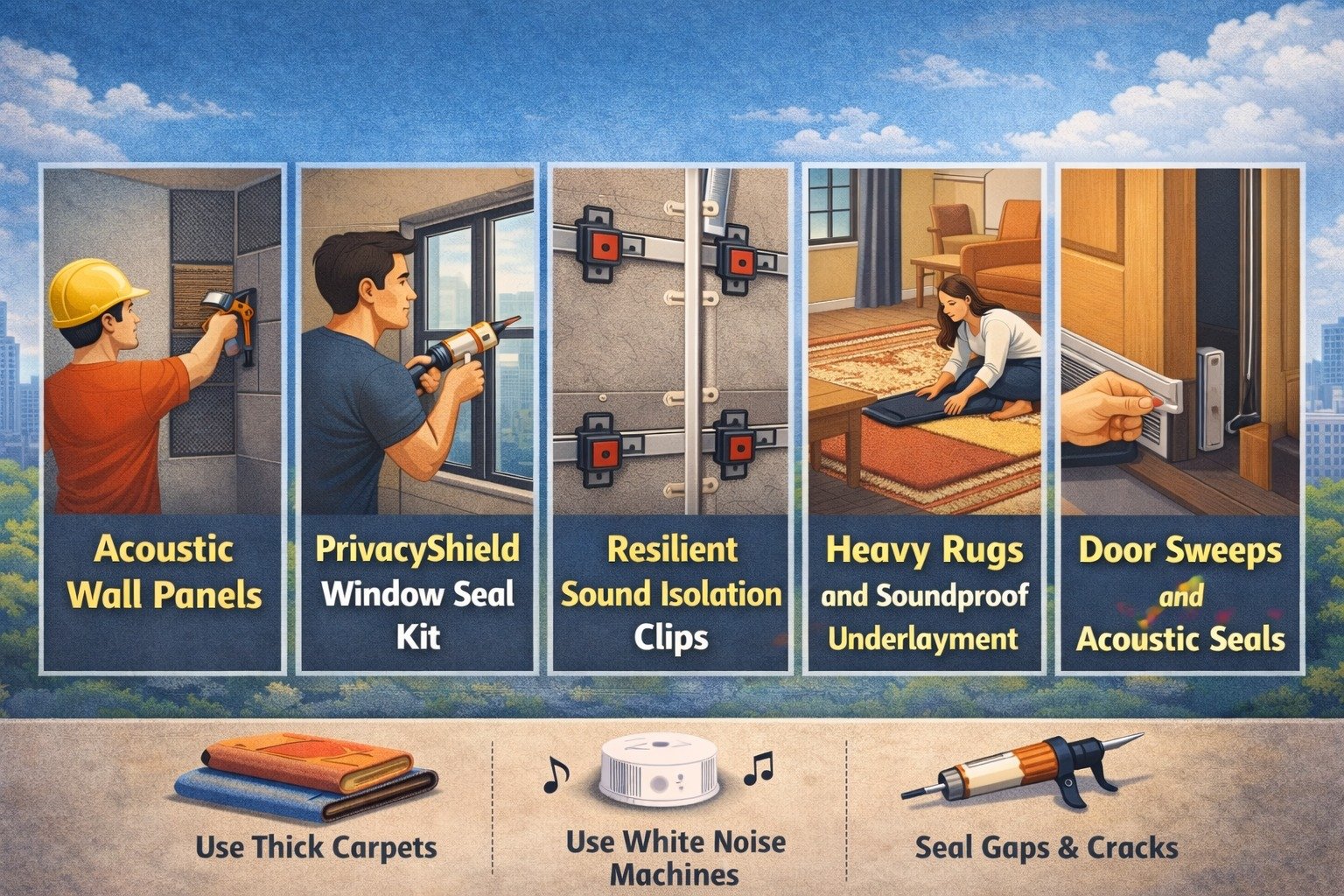
If you want to foster a quiet, peaceful living situation for your apartment, soundproofing is crucial. Whether it’s getting bothered by noise from neighbors, traffic, or impact noise such as footsteps, today I’ll discuss five of the best ways to soundproof an apartment that are both affordable and simple to put into place.
- Acoustic Wall Panels: Wool absorbs sound and blocks noise from neighbors with these removable acoustic wall panels that are ideal for renters.
- Privacy Shield Window Seal Kit: Block out outside noises such as traffic, construction with the easy-to-install window seal for an effective sound barrier.
- Resilient Sound Isolation Clips: Install a floating ceiling by taking advantage of sound isolation clips so that you can reduce the tread noise from above.
- Heavy Rugs and Soundproof Underlayment: Keep floor noise to the minimum and protect those living beneath you with thick rugs and top-notch soundproofing underlayment.
- Door sweeps and acoustic seals: Stop hallway and exterior entryway noise with simple weather-stripping seals.
Noise reduction solutions for apartment living
Apartment living soundproofing must-haves are necessary for maintaining a quiet and tranquil space. Good techniques are to use airborne noise blocking acoustic wall panels, resilient sound isolation clips and acoustic ceiling baffles for impact noise from upstairs, or adding soundproof underlayment (preferably with the help of heavy rugs) for floor noise. Privacy Shield window seal kits can help take the sting out of such external noise for windows. Weatherstripping and acoustic door seals also help avoid sound leakage through doors. These remedies will help you to not only enhance your life, but they improve privacy, sleeping and productivity in apartment living areas.
Soundproof curtains vs acoustic treatment
Here’s an informative table comparing Acoustic Panels vs. Soundproof Curtains:
| Feature | Acoustic Panels | Soundproof Curtains |
| Sound Absorption | High NRC, absorbs sound effectively across frequencies. | Limited absorption, typically low NRC below 0.4. |
| Design & Aesthetics | Customizable and noticeable, can fit with room decor. | Blends in with existing curtains, less visually intrusive. |
| Installation Area | Best for walls and ceilings, not suitable for windows. | Designed specifically for windows and doors. |
| Primary Purpose | Improves room acoustics, reduces echo. | Blocks external noise, especially from windows. |
| Best Use Case | Ideal for studios, offices, or spaces focusing on acoustics. | Best for residential spaces needing noise blocking. |
Multi-layer drywall soundproofing tips
Drywall provides minimal soundproofing, but when combined with products like Quiet Batt, IsoTrax, and MLV it greatly increases performance to create more comfortable and quieter spaces in a variety of settings.
7 Great Techniques for Soundproofing a Room Using Drywall:
Double the Drywall
An extra layer of drywall increases the mass, giving more acoustical isolation and blocking better.
Use Soundproof Drywall
Choose durable soundproof drywall that is designed with extra layers for better noise reduction when quiet is a must.
Install Quiet Batt Insulation
Insulate wall cavities with a sound proofing insulation such as Quiet Batt 30 to absorb sound and minimize noise transmitted from room to room.
Implement IsoTrax Sound Isolation
Use IsoTrax isolation systems to separate drywall from studs without transmitting vibrations and to increase the STC rating of an assembly.
Add Mass Loaded Vinyl (MLV)
Hang MLV behind drywall for a strong, slim and flexible barrier that keeps sound out without consuming your home’s square footage.
Try Acoustic Blankets or Quilts
If you can’t put up drywall, you can hang acoustical blankets or quilts on a tension rod to dramatically reduce noise in any room.
Seal Gaps and Cracks
Sometimes a tight drywall seal is not likely with small cutouts around drywall and that allows sound to leak through tiny holes or spaces in the fabric.
Soundproofing materials comparison
| Material | Best Use Case |
| Mass-Loaded Vinyl (MLV) | Effective for walls, ceilings, floors, and doors to block airborne and low-frequency sound. |
| Resilient Sound Channels | Ideal for decoupling walls, reducing impact noise in new builds or major renovations. |
| Damping Compound (e.g., Green Glue) | Best for reducing low-frequency noise, particularly in home theaters or music studios. |
| Acoustic Tiles/Foam Panels | Great for improving sound quality and reducing echoes in studios or home offices. |
| Soundproof Window Inserts | Perfect for blocking external noise, especially in noisy environments like busy streets. |
Conclusion
Soundproofing a multi-story apartment takes a concerted effort to address airborne and impact noise successfully. What are the best solutions for soundproofing multi story apartments By utilizing such materials as acoustic panels, MLV, soundproof window inserts and resilient sound isolation clips you should be able to dramatically improve your noise reduction. With the right strategies, you can transform your apartment into a much quieter and more peaceful living space.