A vapor barrier basement floor is a necessary addition to your house in order to protect the entire structure from the hazardous impacts of water. When you lay a thick plastic sheet over the floor of your crawl space, it can help foil mold, wood rot and poor indoor air quality stemming from moving moisture. At 2ndflooring, we understand the significance of a dry, healthy house, and our goal is to provide you with all of the necessary information about Vapor barrier basement floor installation to protect your basement for years to come.
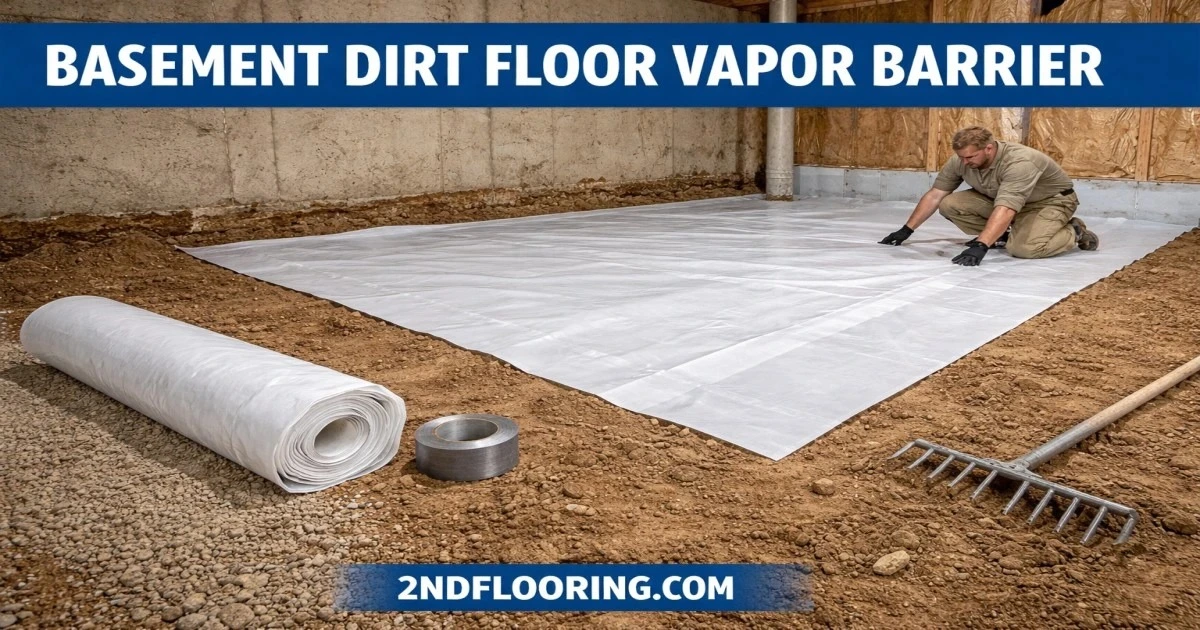
Basement dirt floor vapor barrier
A vapor barrier is an important part of a good crawl space, being a heavy plastic sheet that lies over the dirt floor to prevent moisture seepage. This easy but effective fix can help you avoid problems such as the growth of mold and wood rot, as well as poor indoor air quality which can lead to structural damage in your home and health concerns for its residents. In keeping moisture out, a vapor barrier also helps to keep your space dry and clean thereby extending the life of your home’s foundation and preventing costly repairs in the future.
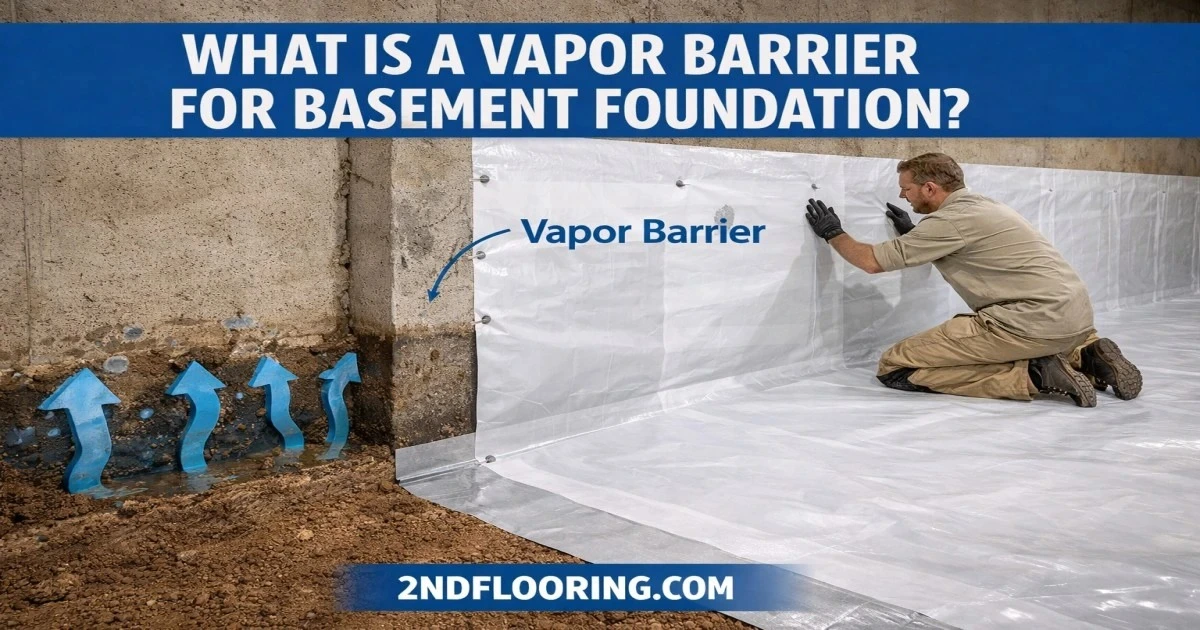
What is a vapor barrier for basement foundation?
Vapor barrier basement floor foundation is an essential part of protecting your home from moisture problems. Typically crafted out of impermeable polyethylene or a reinforced plastic sheeting, it is used on both the walls and flooring, acting as a moisture, soil gases like radon and humidity barrier between the living spaces in your home. A vapor retarding sheet or film (0.1 perms or less) can inhibit mold, wood decay, and structural degradation from water vapor passing through concrete in walls as discussed. Whether under the slab or against foundation walls, it not only keeps moisture out, but can also improve energy efficiency and lower health risks (such as radon).
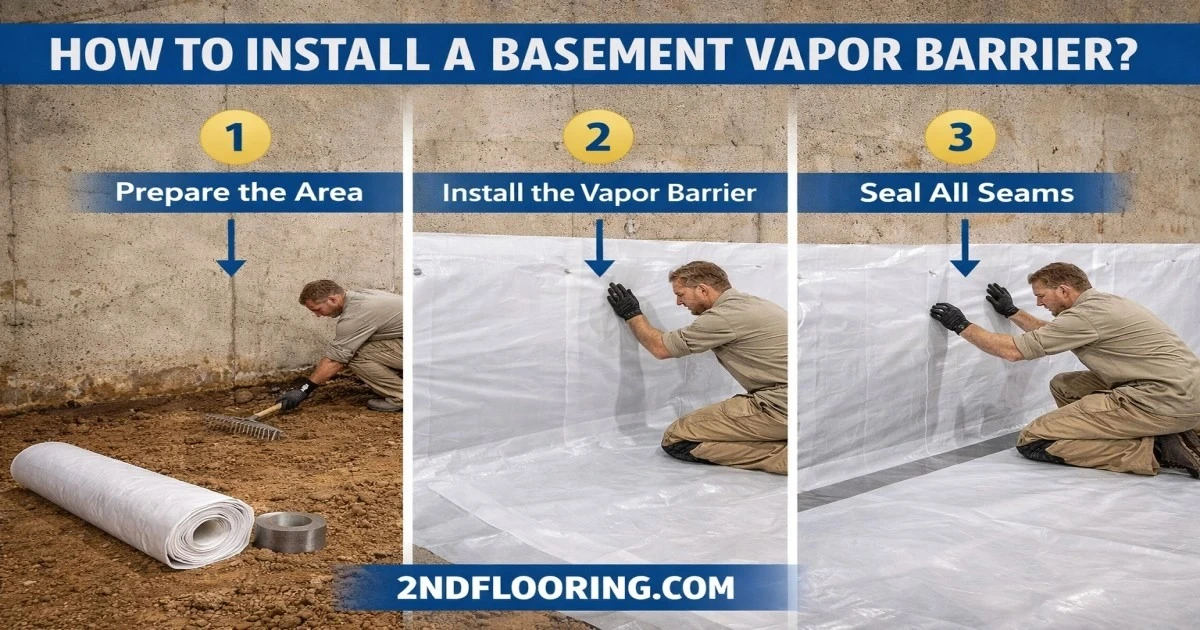
How to install a basement vapor barrier?
A basement vapor barrier is necessary for stopping moisture, mold and water damage. Usually, contractors will favor polyurethane sheeting as a vapor barrier, it is stapled against the frame wall of basement walls and then covered with plaster or drywall. This barrier serves the wall insulation it keeps out moisture, whilst in the other side maintains a basement warm. It does not block all moisture from reaching the barrier, but rather significantly reduces buildup of moisture and prevents growth of mold. If you want simplicity and convenience, insulation with a built-in vapor barrier is ideal because it helps protect the fiberglass insulation from moisture damage.
Material Selection: 6-10 mil polyethylene or equivalent, such as polyurethane, that will effectively stop moisture.
Seam Overlapping and Sealing: Overlap seams 6-12 inches and tape to produce a continuous moisture barrier.
Wall Maintenance Needs: Carry the shield 6-12 inches onto walls to prevent moisture penetration.
When to Install: Ideal for installation during new construction, or when existing wall cavity is exposed (during renovation) as blowing a wall that isn’t ready will lead to patchwork insulation tactics.
Integrated Insulation Alternatives: Install insulation that is pre-fitted with a vapor barrier for both moisture control and insulation installation in one step.
Quality Inspection: The barrier should be smooth, with no gap or fold to allow leakage of water.
Ventilation and Humidity Control: Vent your crawl space to eliminate moisture and reduce the risk of mold growth while keeping it dry.
Professional Installation: Ensure the barrier is installed by professionals for superior, lasting moisture protection.
What is the difference between a moisture barrier and a vapor barrier in a basement?
| Aspect | Vapor Barrier | Moisture Barrier |
| Purpose | Prevents water vapor from diffusing into walls and insulation. | Blocks bulk water infiltration, especially from rain or ground moisture. |
| Materials | Polyethylene, rubber membranes, aluminum sheets, etc. | Bituminous membranes, liquid-applied, EPDM, polyurethane, etc. |
| Installation Location | Typically installed inside walls or under slabs to stop vapor. | Applied to exterior walls or foundation to prevent moisture entry. |
| Permeability | Impermeable (Class I: <0.1 perms). | Semi-permeable (Class II and III) or permeable. |
| Function | Stops vapor diffusion; reduces humidity and prevents condensation. | Prevents bulk water from entering the building structure. |
| Climate Zone | Required in colder climates to control moisture inside. | Needed in hot and humid climates or areas with high groundwater levels. |
| Use in High-Humidity Spaces | Controls condensation in spaces like bathrooms, spas, etc. | Prevents water from entering below-grade areas like basements. |
| Code Requirements | Required in certain climate zones based on the International Building Code (IBC). | Typically required for foundation walls in wet conditions or areas prone to flooding. |
Basement floor vapor barrier installation
It is important to have a Vapor barrier basement floor to help prevent moisture from ruining your flooring and creating a moldy, unhealthy environment. It starts with one a 6-10mil polyethylene vapor barrier placed over clean, dry concrete. For the other seams, have them overlap at least 6-12 inches and apply appropriate tape to create a continuous membrane. Take the plastic up 6-12 inches on the walls for complete coverage. A vapor barrier installed the right way will prevent mold, wood rot and water damage, protect your basement and help you preserve the life of your flooring.
What is the best vapor barrier for concrete basement?
The best vapor barrier for your basement is 10 mil to 20 mil thick, and it’s made of/with polyethylene (not a puncturable material). or other specialty waterproofing products such as Delta-FL. The products offer outstanding moisture protection and puncture resistance, helping to protect against mold and damage to flooring. A better and less expensive solution is polyethylene sheeting (Figure 1), which is also effective as a vapor retarder at thicknesses of 10-20 mil, making it superior to the minimum standard of 6-mil for high-moisture environments. Specialized systems like Delta-FL also provide a space for moisture protection and some insulation and drainage. For a smooth, long-lasting coating of irregular surfaces, the best option is fluid-applied membranes. Heavy-gauge rubberized asphalt membranes provide a tough, continuous, water-proofing barrier. It’s important that it is correctly installed with moisture-resistant tape to sealed seams, and meets the requirements of ASTM E1745-11, Class C.
Conclusion
It’s important to add a Vapor barrier basement floor in your basement to help keep your home safe from moisture, mold and water damage. Weather you go with polyethylene sheeting, specialty membranes like Delta-FL or rubberized asphalt the material you select and how it is installed are very important. These solutions are implemented with expert advice and attention to detail that will help you in long-term moisture control benefitting your home’s foundation as well as its health. Rely on experts to ensure you receive the best level of protection for your basement.