Floor vapor barrier. When it comes to preserving your floors, one of the most overlooked yet critical tools is a floor vapor barrier. A floor vapor barrier, often made of a 6-10 mil pes polyethylene sheeting is essential to maintain the longevity of your floors due to mold and moisture damage associated with warping and rotting especially in concrete slab, basement or crawlspace. At 2ndflooring, we know the value of that protective sheath and why installing a floor vapor barrier is a smart, cost-effective way to guard against wear and tear down the road.
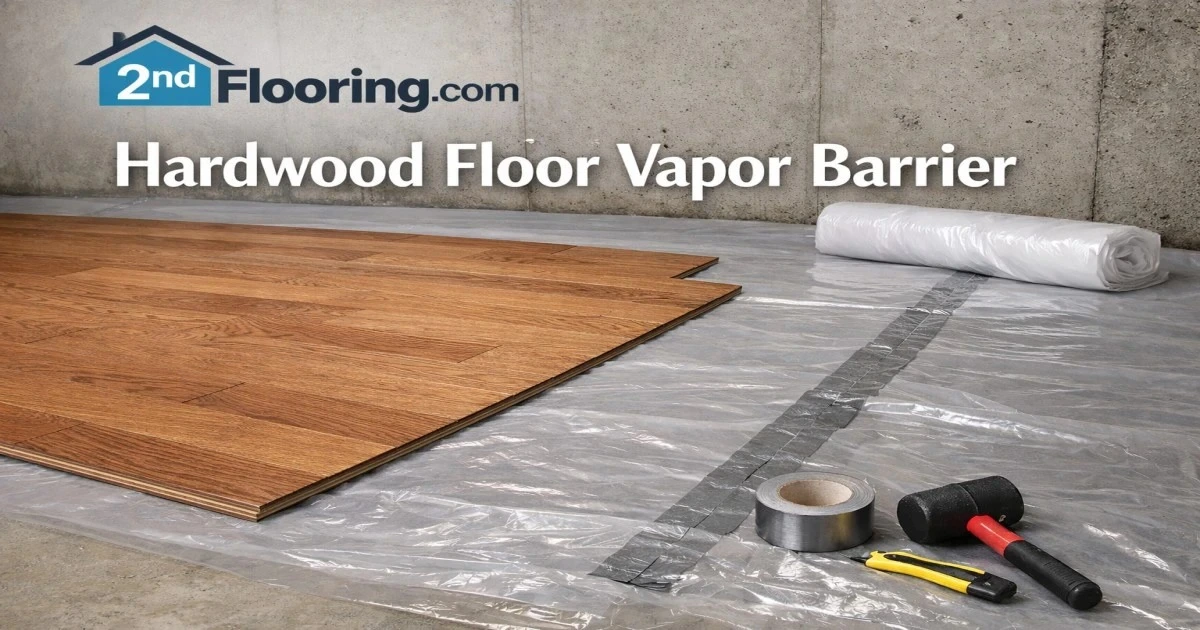
Hardwood floor vapor barrier
Hardwood floor vapor barrier is an essential element for protecting your floors from moisture, particularly when installing your flooring over concrete slab or other humid environments. Usually composed of 4-6 mil plastic sheeting or a more advanced underlayment, it safeguards your floor from cupping, warping and the development of mold. For concrete subfloors, a 6-mil poly film or liquid-applied membrane like Wakol PU 280 is recommended. It is also not necessary (and generally inadvisable) to place a vapor barrier between the subfloor and certain ceramic tiles that have water absorption rates of less than 3 percent, or for stone tile. Materials typically used are water proof kraft paper under nailed-down hardwood flooring and porous plastic sheet materials such as some wraps or combination products that include taping of seams for a floating floor installation. When properly installed, overlapping joints and sealing the seams with tape creates a continuous water- and air-resistant protective barrier.
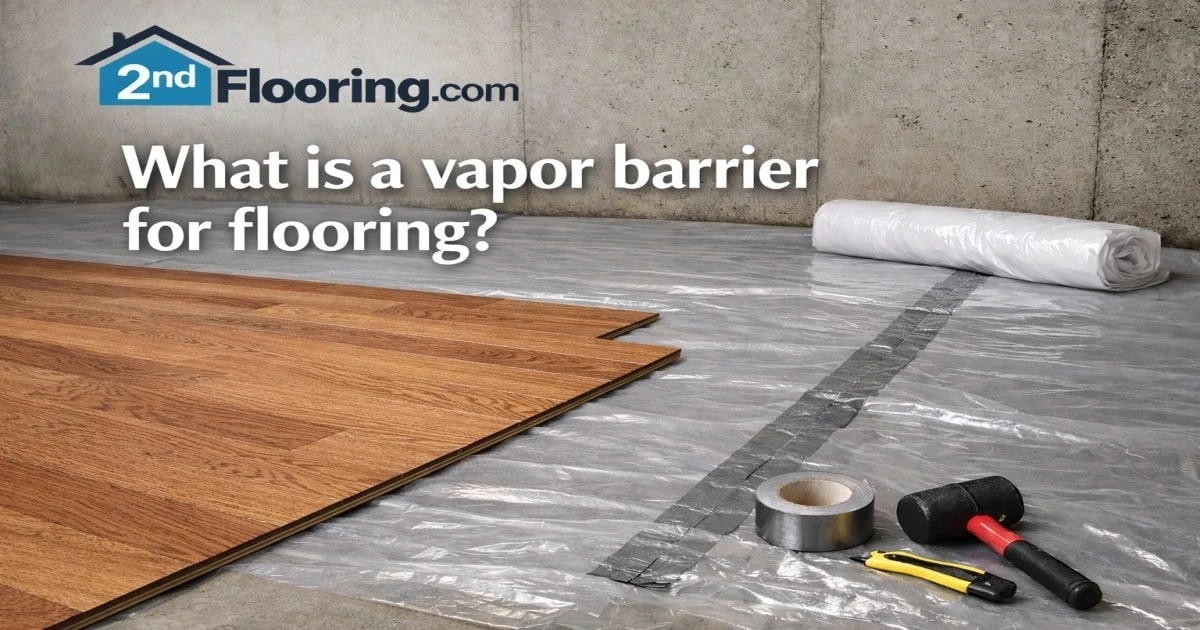
What is a vapor barrier for flooring?
Vapor barrier underlayment is a crucial part to protect your floors from moisture and vapor, especially if you are installing over concrete or in a high humidity location. It helps to block mold, mildew, and other forms of moisture from ruining the integrity of your floors. Dura-Son MB, with its moisture protection, anti-microbial resistance and superior acoustic underlay performance is an outstanding choice for laminate and engineered hardwood floor installations. Its durable construction and true beauty is a perfect for homeowners and builders to get long lasting, beautiful and protected floors with added comfort underfoot acoustic reduction.
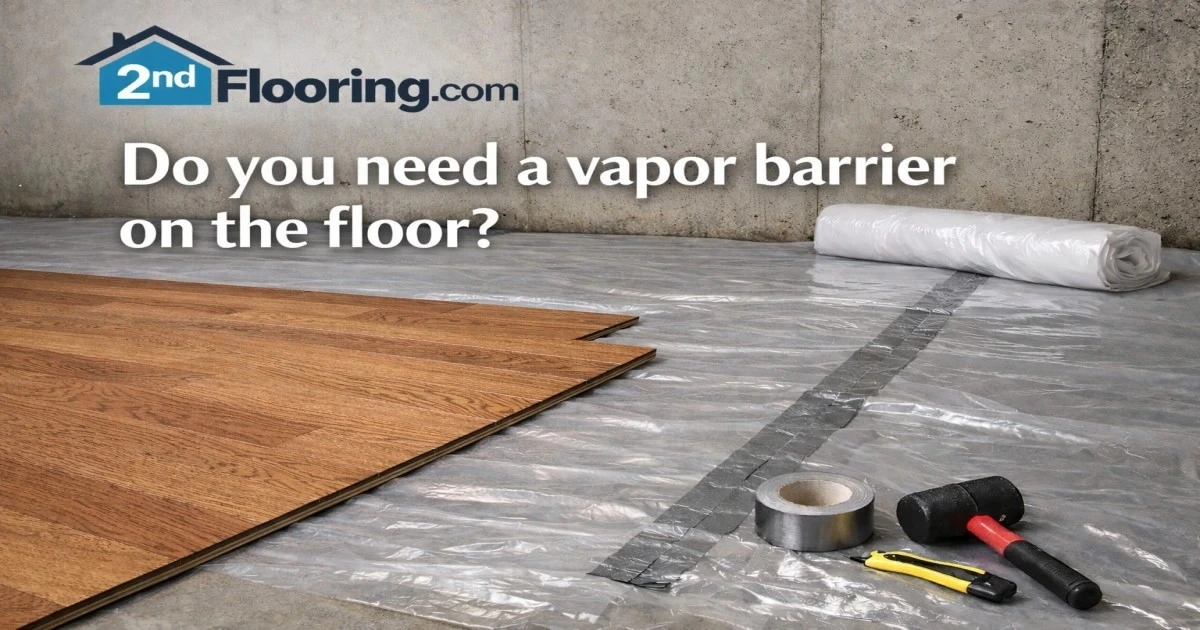
Do you need a vapor barrier on the floor?
Flooring is an investment, and a moisture barrier can keep your floors safe from damage in a variety of environments including concrete slab, basement, or crawl space where water damage can be imminent. A 6-mil or higher polyethylene film barrier between the subfloor and laminate is generally recommended over concrete to protect against moisture. In basements or subsurface environments, a vapor retarder is required for moisture control. For floating flooring, such as click-lock systems or floating luxury vinyl, a moisture barrier is required. But don’t put a vapor barrier on concrete that meets the open air or has active leaks, because it could potentially trap moisture and make things worse. Read more How to soundproof an apartment.
What is the best moisture barrier for floors?
A moisture barrier is the most important factor in maintaining a wooden floor against constant exposure to water, which can lead to mold growth and wood damage. A moisture barrier is an absolute must at preventing these issues. Which is particularly important if you have hardwood, engineered wood or laminate flooring that has been laid over a concrete subfloor. Polyethylene sheeting, bitumen-coated kraft paper and rubberized asphalt membrane are all suitable moisture barriers with unique advantages according to the nature of the subfloor as well as the local environment. These dams stop water vapor from entering the flooring and extend the floor’s life by curbing cupping and other problems associated with moisture-related degradation. Correct barrier installation is critical to ensure effective protection.
How to install a floor vapor barrier?
Laying a vapor barrier on top of a concrete slab is critical for preventing floor damage. Concrete absorbs moisture, so it can wick up and create problems like warping, mold or adhesive failure. A correctly placed vapour barrier (usually at least 6 mil polyethylene) prevents moisture vapour transmission and can be the key to a successful job with hardwood, vinyl and other flooring material. Builders can eliminate moisture issues and improve the long-term performance of floors, particularly in moisture-vulnerable locations such as basements or garages, by properly preparing the surface, choosing an appropriate barrier product and following installation recommendations.
- Here are 7 most effective tips for applying a vapor barrier over concrete floors:
- Prep the Surface: Clean your concrete floor thoroughly removing any dirt and debris. So everything dry and smooth for this vapor barrier to stick well.
- Choose the Correct Vapor Barrier: Employ at least 6-mil polyethylene plastic film for residential use. Ten-mil to 15-mil barriers are better choices for commercial or high moisture spots.
- Overlap seams correctly: Where vapor barrier sheeting systems are utilized, it is essential that the seams be overlapped at least 6”. Tape the seams in place so you have one solid moisture barrier with no leaks.
- If you have pipes or other penetrations in that barrier, seal it at the edges with tape or caulk so moisture can’t get through gaps.
- Run Barrier Up the Walls: Run vapor barrier 6-12” up the wall for full coverage and protection. Seal the tubing with some tape or adhesive to keep water out.
- Inspect for Rips or Holes: Before the barrier is covered with floor or subfloor, give it a final inspection to ensure there are no tears, punctures, or unsealed seams. Repair any damage immediately.
- Follow Manufacturer Instructions: Your selected vapor barrier should be rated for use under the chosen type of flooring and meet manufacturer’s installation guidelines to uphold warranty coverage and product performance.
Vapor barrier for laminate flooring
For one thing, this is the moisture barrier that you’ll be using under a lot of laminate floors on concrete – most will call for 6 mil poly sheeting to be rolled into place underneath your pad. This thickness also prevents moisture from penetrating the floor, which helps protect it. For extra features, 3-in-1 underlayment’s combine a vapor barrier, padding, and tape so it’s easier to Install and offers sound benefits too. The vapor barrier needs to be draped with overlapped seams that are taped shut for maximum protectiveness. Even if your laminate has pre-attached padding, you’ll want to lay a separate vapor barrier since its manufacturers require it for concrete.
How thick is a flooring vapor barrier?
A Floor Vapor Barrier’s Thickness Ideal thickness for a floor vapor barrier varies depending on the specific build, but most home construction calls for 10 mil (0.25 mm) polyethylene sheeting to guard against moisture moving up through a concrete slab. This thicknes is engineered to protect against sharp objects and contain water and spills. Thick 15 mil (0.38 mm) vapor barrier is recommended for commercial projects as it stronger, puncture resistant and can handle job-site traffic better. Higher-end vapor barriers like the 10 and 15 mil polyolefin-based options perform much better than old-school recycled material (4 and 6 mil) or other thin vapor barriers that are simply too flimsy to do anything over time.
- Here are a few considerations with respect to the thickness of a vapor barrier under flooring:
- Ideal Thickness for Residential Applications: A 10 mil (0.25 mm) vapor barrier will work well for most residential applications, providing a good barrier to moisture from the concrete floor.
- Commercial Grade Thickness: A 15 mil (0.38 mm) vapor barrier for commercial applications that need increased puncture resistance and protection from job-site traffic.
- Quality of Material: While recycled 4 and 6 mil barriers have been a mainstay of the industry for years, newer vapor barriers made from virgin polyolefin resins provide improved moisture protection as well as longer life expectancy.
- Puncture-Resistant: The thicker 10 mil and 15 mil membrane barriers provide a stronger barrier that is less likely to be punctured or torn thus leaving the risk of leaking moisture at install or over time.
- Long Lasting: A thicker vapor barrier (10-15 mil) ensures a more durable product, preventing rips or tears; prevents the growth of mold or mildew and eliminates issues with rot, decay, and warping in your flooring material.
- Installation of moisture barrier is critical – seams must overlap and be taped in order for the barrier to be maintained while fully blocking out any ground moisture from passing through the slab.
Vapor barrier for vinyl plank flooring
A 6-mil or thicker polyethylene vapor barrier is crucial for laminate and floating floors (including vinyl planking) over concrete subfloors. Even though many luxury vinyl plank (LVP) products, indoors and out, are advertised as waterproof, moisture vapor that gets through the concrete may cause harm to your floor leading to mold or cupping or warpage. Humidity is the enemy of floors, but with a vapor barrier, you can be sure that your floor will survive for a long time to come. For floating floors (Flo origami, Skip Hop), use a thin high density underlayment (1.2mm – 1.5mm) with attached moisture barrier or put on top of the mil sheet. The right installation: taped seams to form a continuous protective barrier.