As increasing numbers of people choose to live in a way that is beneficial for the environment in 2026, the greenest flooring options will also be good for the environment, last a very long time and look great. At 2ndFloor, we strive to create spaces that are not only environmentally friendly but also beautiful. In this article, we’re going to discuss the most expensive luxury best eco-friendly flooring options 2026. Flooring is like your home’s foundation, where even a little extra money spent upfront can help set it up as eco-friendly in the future.
Eco-friendly flooring options
With an increasing focus on sustainability, green flooring options have emerged as a consideration in the modern interior design world. Emphasizing renewable, environmentally friendly and long-lasting flooring products that are also as stylish as they come, these types of flooring offer a responsible approach to the creation of beautiful spaces. An increasing move towards ethical production and traceable sourcing means homeowners can make choices that are environmentally-friendly and good for us, too.
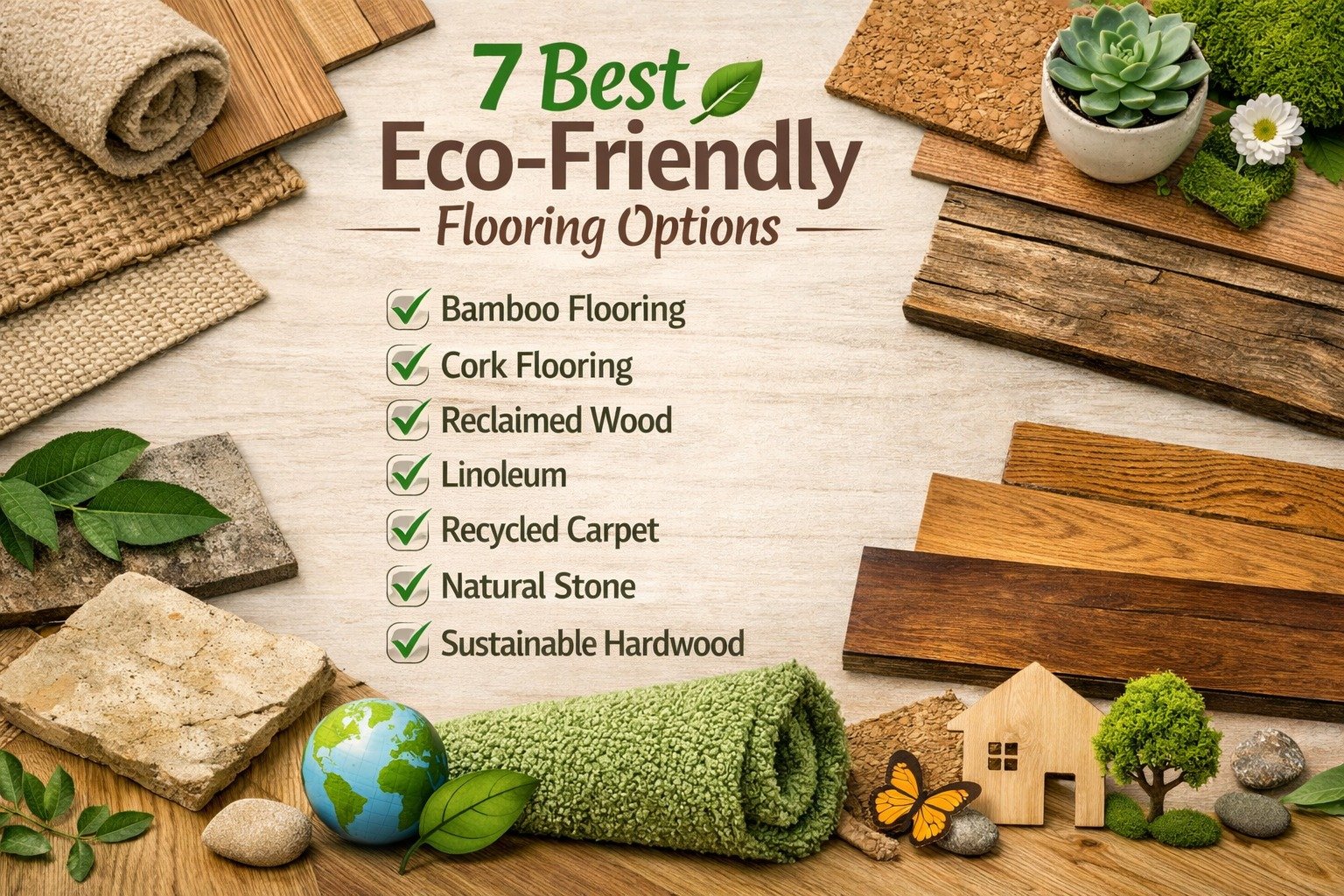
7 Best Eco-Friendly Flooring Options:
Bamboo Flooring
A rapidly renewable alternative that emulates the look and feel of hardwood. A bamboo is also environmentally friendly because it requires very little energy of any kind to harvest and process the wood. It’s also long-lasting and great for high-traffic areas.
Cork Flooring
A renewable material derived from cork oak bark, cork is naturally anti-microbial. Its softness and insulating properties make it easy on your feet, and because it comes from sustainable sources, you’ll also be doing the forest a favor.
Linoleum (Marmoleum)
Linoleum biodegradable, durable and appearing in up-to-date colors, linoleum is made with linseed oil, wood flour and jute. It’s a sophisticated low-fuss choice that is eco-friendly and durable.
FSC-Certified Wood Flooring
This flooring is constructed from responsibly harvested wood from well-managed forests. FSC-certified wood is strong and capable of being refinished, with little environmental impact, meaning it’s a great pick for a classic look that will last and last.
Reclaimed Wood
Sourced from wood previously used for another construction or design project, reclaimed wood is a great waste reduction and historic preservation strategy. It is one of a kind and has something to contribute.
Natural Fiber Carpets
Natural fibers such as sisal, jute and seagrass also are long-wearing, environment-friendly options for a rug. These materials are also sustainable, biodegradable, and often naturally repel dust mites for healthier indoor living spaces.
Plastic-Free Carpet
Green environmentally friendly carpets, produced from wool, cotton and natural latex can be used as an alternative to synthetic materials. These are biodegradable, plastic free fibers that are also sourced responsibly and have a luxurious feel with less damage to the environment.
Read More: Best waterproof flooring for kitchen
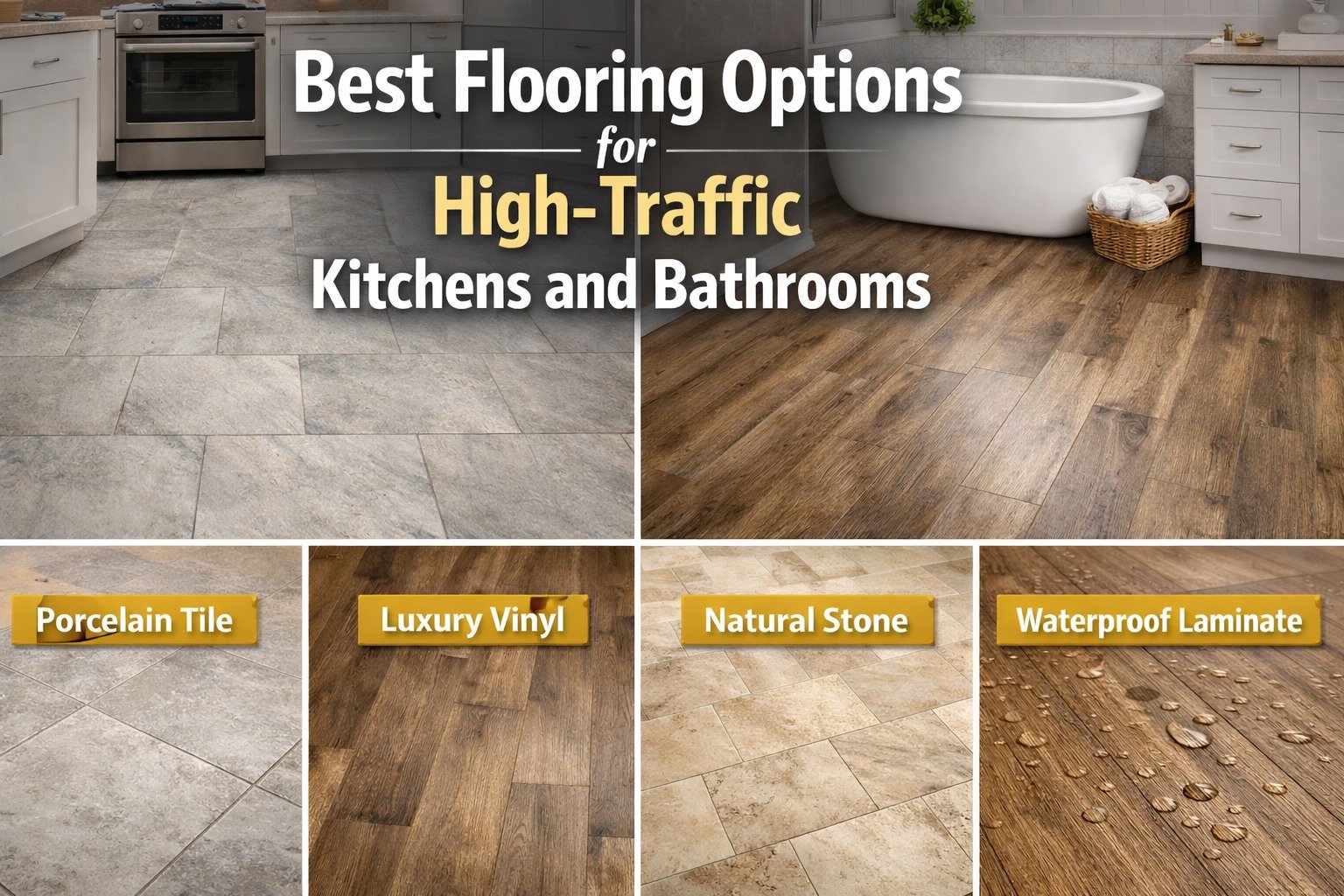
Best flooring options for high-traffic kitchens and bathrooms
The Top 7 Best Flooring Options for High-Traffic Kitchens and Bathrooms: Durable, Water-Resistant, and Stylish Choices for Your Home:
| Flooring Option | Why It’s Ideal | Best For |
| Waterproof Vinyl Flooring | Water-resistant
Easy install Affordable |
High-moisture, high-traffic areas like kitchens and bathrooms. |
| Classic and Durable Tile | Scratch and stain-resistant
Low maintenance |
Areas needing durability and easy upkeep. |
| Engineered Hardwood Flooring | Moisture-resistant
Warm, luxurious look |
Kitchens with foot traffic or bathrooms with controlled humidity. |
| Laminate Flooring | Budget-friendly
Spill-resistant Easy to install |
High-traffic kitchens (not ideal for bathrooms). |
| Natural Stone Flooring | Long-lasting
Water-resistant Elegant |
Luxury kitchens and bathrooms need timeless beauty and durability. |
| Rubber Flooring | Slip-resistant
Easy to maintain Comfortable underfoot |
High-traffic kitchens or bathrooms needing safety and comfort. |
| Concrete Flooring | Extremely durable
Customizable Low maintenance |
Modern, industrial kitchens and bathrooms need durability and a unique look. |
What are the flooring trends for 2026?
In 2026, flooring trends are moving toward warmth, natural materials and timeless designs. Here’s a look at what’s in:
Softer Checkerboard Tiles
Black-and-white checkerboard floors are ceding ground to softer palettes — camel and creamy white, maroon with warm neutrals. These lend a contemporary, balanced look.
Warmer Wood Tones
A new spirit of warmth and richness is being inspired by cool gray floors replaced with hues like honey, oak, toffee and walnut for a sense of comfort and welcome that pairs well with warmer colors.
Natural Stone and Stone-Look Tiles
Unadorned porcelain tiles are being replaced with those that emulate stone, introducing a feeling of luxury and the natural world in kitchens and bathrooms.
Subtle Vinyl Textures
Fancy, patterned vinyl floors are in decline as homeowners gravitate toward more subdued, stone-effect designs which provide texture and depth without dominating the room.
Matte and Honed Finishes
Bye-bye, high gloss: Matte and honed finishes are in. These flat (non-reflective) colors are much easier to keep clean, safer on the trail and will make your rig look great.
In 2026, anticipate flooring that is warm and natural, and brings spaces to life in style while also being comfortable.
Non-toxic flooring for nurseries and bedrooms
Concerns about nursery and bedroom floors Children are particularly vulnerable to toxins contained in flooring. The best options are hardwood floors or environmentally friendly laminate or tile (ceramic or porcelain), which don’t contain chemical substances such as VOCs. These ones not only look good for rooms but they also have great air quality which make the sleep environment more comfortable and free of pilling and allergy.
Is bamboo flooring more sustainable than oak?
Yes, bamboo flooring is a greener option than oak wood flooring. Bamboo grows fast, a grass that America’s editor in chief John McCarthy says we can use after just a few years and he gives it the nod of super renewable. Oaks, on the other hand, take several decades to grow and therefore recover more slowly. Bamboo just grows faster and more sustainably, so it’s also an eco-friendly flooring option compared to traditional wood—it’s ideal for homeowners who want sustainability in place alongside their durability and style.
Biodegradable flooring materials list
Biodegradable materials are a great choice for flooring in an eco-friendly home. Here are a few of the best options for biodegradable floors:
Bamboo: As one of the fastest growing woody plants, bamboo matures in 3-5 years and has a similar appearance to hardwood which makes it sustainable.
Cork: Made from the bark of cork oak trees, this flooring is soft to stand on and grows back every nine years, making it a natural renewable and biodegradable option.
Linoleum: Created from natural ingredients such as jute, linseed oil and tree resin, linoleum is biodegradable, recyclable and long lasting (20-40 years).
Reclaimed Wood: Reclaimed wood, taken from old buildings or furniture, and other recycled timber reduce waste and provide an environmentally friendly biodegradable flooring alternative.
Not only do they add beauty to your home, but they help sustain the planet, reducing environmental impact.