When you are in the market for new floors to improve your home or business, one of the exciting discussions is between engineered wood flooring vs laminate. The best engineered wood flooring combines a wood veneer authentic and high-quality, just like solid hardwood with backing made from layers of natural wood board. On the other hand, laminate is budget-friendly and possesses superior scratch resistance. At 2ndflooring, we know that you want to make the right choice. Here, we look at the advantages and differences of engineered wood flooring vs laminate to help you make a decision on which is best for your room.
Laminate wood flooring vs engineered wood
| Feature | Laminate Flooring | Engineered Hardwood Flooring |
| Cost | More affordable, varying with AC ratings and features. Ideal for budget-friendly spaces. | Generally higher in cost, depending on the wood veneer and brand, but offers long-term value. |
| Durability | Highly durable with scratch resistance; however, not as easily refinished. | Durable with a real wood veneer, can be sanded and refinished, but susceptible to scratches. |
| Water Resistance | Good surface water resistance but can swell if moisture gets underneath. | More resistant to moisture, especially in humid environments, but not waterproof. |
| Ease of Installation | DIY-friendly with simple snap-together planks. Quick installation process. | Requires a stable subfloor, professional installation may be needed. |
| Appearance | Advanced printing for a wood-like look but not real wood. | Real wood veneer offers an authentic wood feel and look. |
| Maintenance | Easy to maintain, but excessive moisture can cause damage. | Requires careful maintenance, avoids excess water or steam cleaning. |
| Lifespan | Typically lasts 10-25 years with proper care, but cannot be refinished. | Lasts 30+ years, can be refinished, making it a long-term investment. |
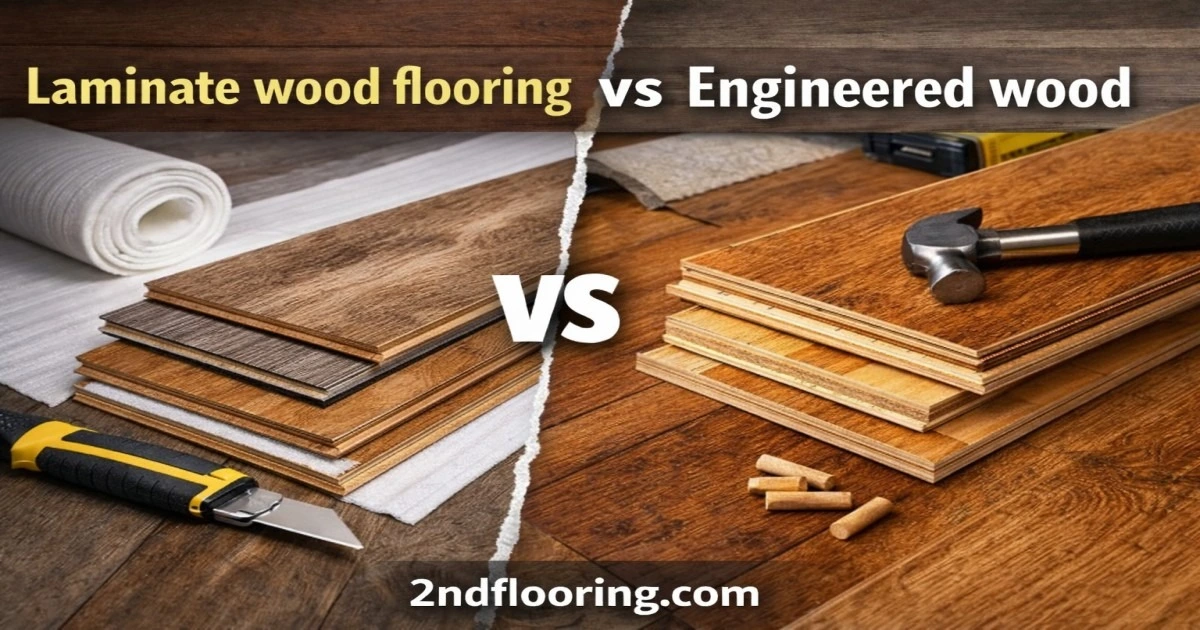
What is engineered wood flooring vs laminate
Engineered wood flooring gives the look of a hardwood floor and has been designed to withstand moisture and temperature fluctuations, or laminate which is water resistant, offering durability with the look of a natural wood floor A real wood veneer is added to the top layer giving each plank its unique graining that will add timeless beauty to your space More + Product Details Close You are going to pay for that premium look, as it normally costs somewhere between $4 and $7 + per square foot. Laminate Floors, on the other hand is an artificial alternative produced by layering an image of wood over fiberboard, is highly scratch resistant and versatile for any room, priced between $1 to $4 per square foot. Laminate (life span 10 to 25 years) With it being DIY friendly, laminate is easy on the wallet and low-maintenance, an excellent option for any high traffic area in your home.
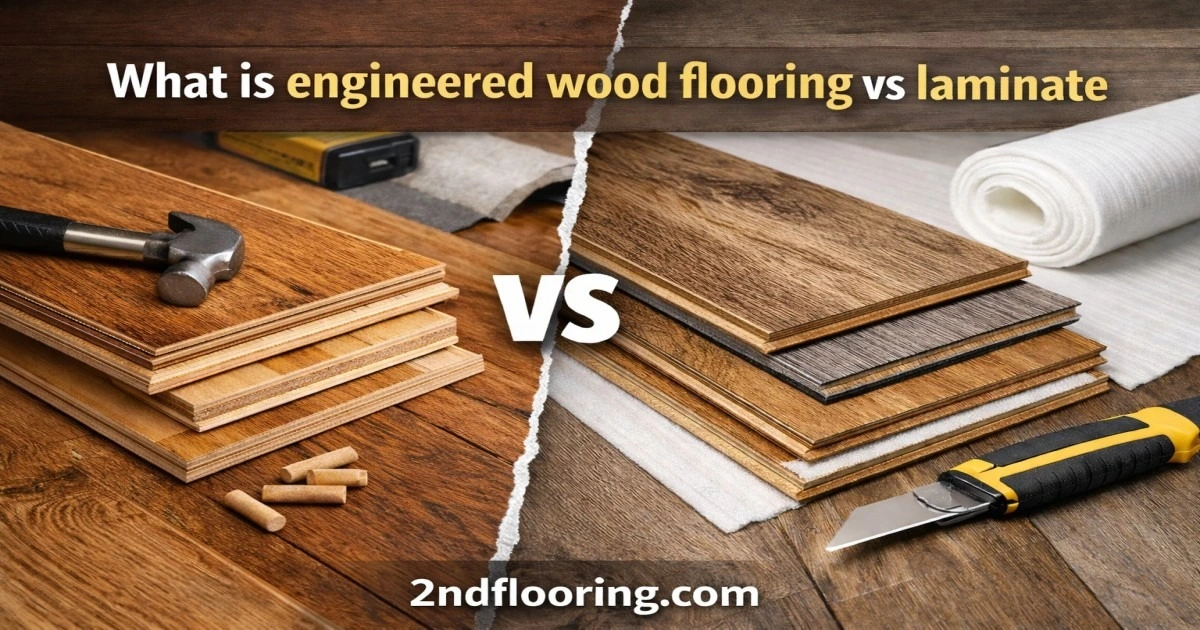
Pre engineered wood flooring vs laminate
Allergens and this product have a safer, more natural grip compared to synthetic pads or mesh ideal for use with hard surface flooring such as vinyl, hardwoods Engineered wood provides the look of real wood at a fraction of the cost The top veneer “can be refinished, a€ giving the owner who wants wood floors in high traffic areas a higher value product that also offers long term durability }}”Maintaining and cleaning engineered hardwood floors is easy. Its makeup consists of a plywood core that gives it added durability and stability, which is great for rooms where style and quality really count. If budget is a concern, you might consider laminate flooring as it’s quite affordable and has excellent scratch resistance making it ideal for high-traffic areas. It’s also D.I.Y.-friendly: The flooring can be easily installed without glue or nails. But laminate can’t be refinished, so it might have to be replaced over the years at a lifespan of about 10 to 25 years. Read more Blogs How to install sheet vinyl flooring.
What are the negatives of engineered wood flooring?
Engineered wood flooring has the appearance of real hardwood but it features several major downsides. It costs more than laminate or vinyl, can’t be refinished much (you’ll want a pro to do it) and is susceptible to fading, dents and scratches. Also, engineered wood can still react to moisture and sound uses to produce a hollow sound when you walk on it (especially the cheaper versions). Before determining if it is the right selection for your space, consider these factors.
Engineered wood flooring is a popular, durable option with several key benefits:
- The Advantages of Engineered Wood Flooring is a versatile and resilient floor type that has gained popularity for several reasons:
- Real Look: Provides the natural look of real wood.
- Greater Stability: Won’t expand or contract like wood due to humidity and temperature changes.
- Flexible Installation: Install on any level of the home over basement, concrete or crawl space.
- Easy Maintenance: You don’t have to worry about spills and scratches like you would with a solid hardwood floor.
- More Expensive: More expensive than laminate or vinyl and will add value to your home for a longer time.
- Refinishing Limit: Cannot be refinished as many times as solid hardwood, susceptible to fading and denting.
What is the lifespan of engineered wood flooring?
Engineered hardwood flooring can last for 20 to 30 years and, depending on how well you care for it, even longer up to 40 years. How long do engineered wood floors last? The lifespan of engineered wood flooring will vary depending on these factors: The thickness of the top veneer layer Quality of the materials Traffic Loa durations. Thicker veneers can be sanded and refinished to prolong their life. Furthermore, engineered wood can perform better in applications such as basements or kitchens where direct exposure to wet conditions is often present than solid wood (however, even though some manufacturers tolerant of these conditions in any types). What you can do to extend its life: Considering how frequently this equipment will be used if it is located out of doors, keeping it clean and dry are important maintenance tasks.
Engineered wood vs laminate flooring pros and cons
Engineered wood looks like real wood and can be refinished, but it’s also more expensive and scratches easily. And it’s more stable than real wood. Laminate flooring is durable, scratch-resistant and budget friendly – good for a room with the most foot traffic in your house and you are on a tight budget. However, it cannot be refinished. Can be applied to dry and wet environments or combination of both depending on the water resistant rating of the product.
Engineered Wood Floors
Pros: Real wood veneer that is as close to real as it gets; can be sanded and refinished (if the veneer isn’t too thin); more moisture-resistant than solid wood so more resistant to warping; makes home worth more when you sell.
Cons: cost more to purchase, is sometimes scratched or dented and isn’t fully watertight.
Laminate Flooring
Pros: inexpensive, extremely scratch- and dent-resistant, easy to install (great for do-it-yourselfers) and a snap to clean.
Cons: Unfinishable, less wonderful to the touch and generally doesn’t have a long lifespan (10-20 years).
Conclusion
Both have their pros and cons that contribute to making them ideal choices for certain rooms in your home. Engineered wood is a real and versatile option with the look that can be customized and treated to stay tough after years of wear, though it costs more for less refinishing capability. Laminate is a value, scratch-resistant and ideal for high-traffic areas but can only be refinished as many times as it has wear layers, meaning it may have a shorter lifespan than the hardwoods. Knowing what they are will assist you in making the right choice for your floor.