How to soundproof an apartment. those who live in an apartment are used to dealing with unwanted noise from neighbors, cars and other sounds of the outside world. Whether the sound is thumping of your upstairs neighbors or traffic noise above the street, adding some soundproof measures to your home can greatly enhance your enjoyment of it. At 2ndflooring, we focus on renter-friendly options to make it easier for you to tune out the world and carve out a calm space at home. In this article, we’ll take you through some realistic how to soundproof an apartment.
How to soundproof a room in an apartment
In order to properly soundproof an apartment’s room there are some working, renter-friendly strategies that will add mass or absorb sound, seal any gaps. Begin by stowing your densest furniture bookshelves or wardrobes against walls that you share, to serve as noise blockers. Stick acoustic panels or foam to walls using readily removable adhesive for sound absorption and to minimize echoes. Dense fabrics, such as heavy curtains, moving blankets or tapestries can also help to minimize the transmission of noise. Weather stripping and door sweeps for sealing gaps around doors and windows, will help to prevent sound leaking out. Also, an MLV composition provides a large mass without permanent wall build-out. Thick rugs with thick pads soften floor impacts, and a white noise machine helps hide steady outside sounds. Combined, these approaches provide a budget-friendly, effective approach to finding peace while living in an apartment.
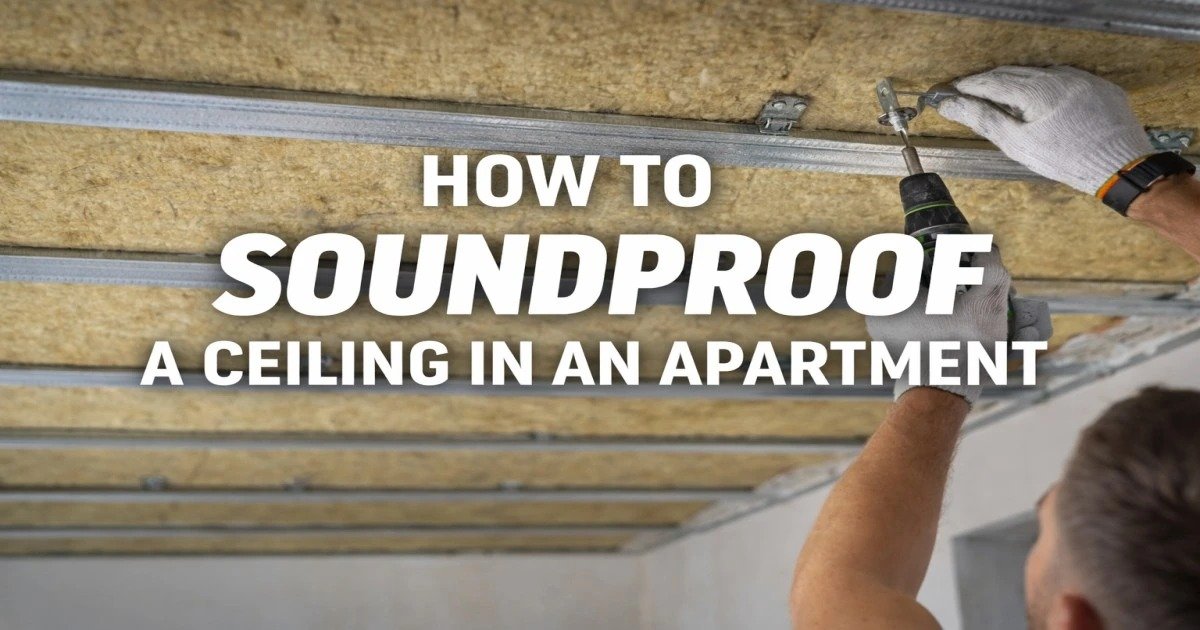
How to soundproof a ceiling in an apartment
Soundproofing the apartment ceiling is an important step to minimize noise from your upstairs neighbor which helps in improving privacy and comfort. Begin by determining what kind of noise you hear impact such as footsteps or airborne such as conversations or music. Renters can also use sound-dampening products that are non-permanent like acoustic ceiling panels, mass-loaded vinyl (MLV), and thick curtains. You can also soften your room by adding soft furnishing such as rugs or upholstered furniture, to help absorb the noise. If you have a drop ceiling, look into inserting an MLV between tiles or using tile covers. These tips offer inexpensive, long-term solutions that can help you limit noise without making permanent changes – and make it easier to get some peace and quiet in your living space.
Renting in the city comes with all kinds of issues including noise. So when our landlord let us replace our apartment door (with a fire-rated soundproof one) so we could install THIS system… I consider it life-changing. So listen, you’re not going to get single-family home entryway quality soundproofing, but I would venture to say what this provides will be similar to other units in your building and unless your neighbors have super ridiculous-sounding levels of drunken love battles or crying parties suicides? They are really sleeping on shit doors or they don’t have anything at all between their streetside windows/doors something just about like just upgraded crumbling 1960’s era apt complex wood frame door from nowhere Lowes and $100 grease-caked light!
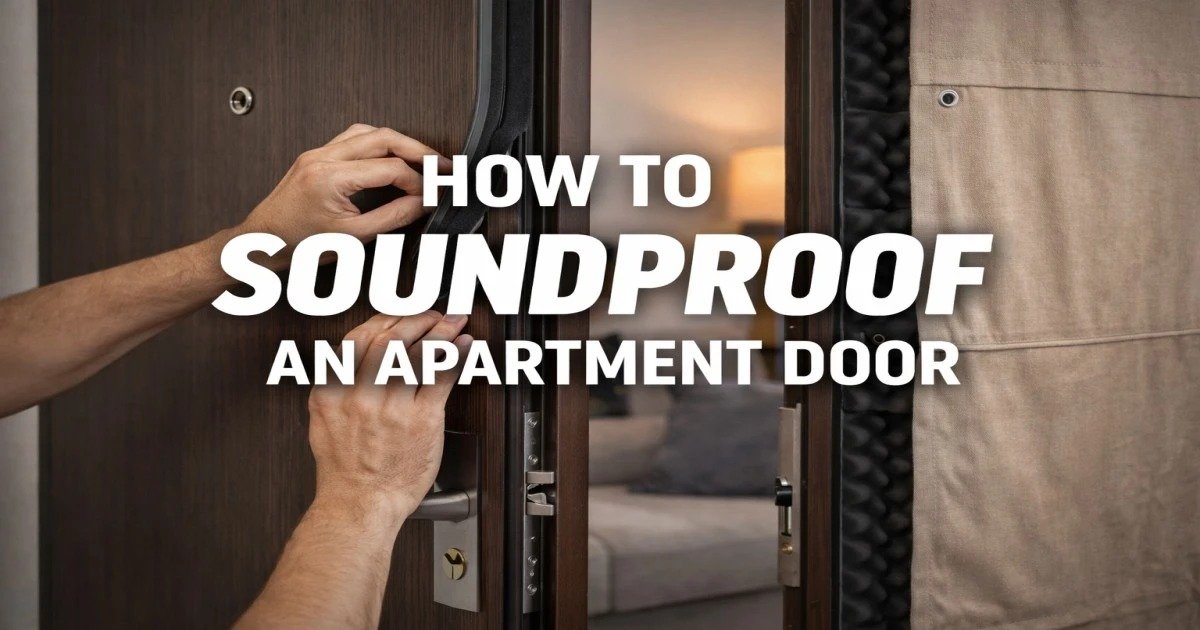
How to soundproof an apartment door
Apartment door soundproofing methods are a good solution for the noise emanating from common areas and outdoors. Begin by sealing the doorframe with adhesive weatherstripping to stop sound-carrying air gaps. Attach a door sweep to the bottom of your door to cover the space between the door and floor, where sound normally leaks out. You may also want to fill any door frame cracks with acoustic caulk for additional soundproofing. To make the door heavier, attach thick soundproof curtains, moving blankets or heavy acoustic curtains to help absorb sound energy particularly if you are dealing with a hollow door. For further sealing, add a rubber or foam gasket to the edge of the door. These measures collectively lead to a quiet and tranquil living space.
- Close Air Gaps with Weatherstripping: Apply adhesive rubber or foam weatherstripping around the doorframe to cover any gaps that will enable sound-carrying air in.
- Use a Door Sweep: Place the door sweep on bottom of the door in order to close the space between it and floor.
- Apply Acoustic Caulk: Seal any gaps and cracks you find on the door frame with acoustical caulk to stop noise from escaping.
- Hang Mass on the Door: Hang soundproof blankets or some other type of thick, dense fabric on the door to absorb sound – this is particularly effective for hollow doors.
- Use Door Gasket: Put a rubber or foam gasket around the door to prevent air leaks.
How to soundproof a floor in an apartment
The best soundproof flooring for your apartment Learning how to soundproof your apartment starts with a good idea of the options you have available. Here’s what goes into making that decision from deciding whether or not to install it, to choosing material. Best floor for Sound Proofing apartment will be a combination of the material that is in use and great underlayment:
- Carpet with Rubber Underlay: Effective in reducing impact sounds such as footsteps when used together with Dura under cushions.
- Luxury Vinyl Planks: Is Soundproofing (When installed with Dataquest vinyl underlayment).
- Tile and Acoustic Underlayment: Anti-Fatigue to cut down on noise, a rubber underlay is good for sound dampening.
- Dura-Son Underlayment will allow you to reduce furniture noise in homes with hardwood flooring.
- Rubber Underlayment: Cuts down on impact noise and increases overall sound insulation efficiency.
- Acoustic Underlay: Reduces impact sound and breaks airborne noise.
How to soundproof a window in an apartment
In order to soundproof a window from outside noise in an apartment, you need to implement several of these strategies. Here are key solutions:
- Install Soundproof Curtains: Invest in thick curtains that can absorb sound and insulate it from outside while pulled closed over the window.
- Install Window Inserts: Installing acrylic or glass window inserts within the window frame will provide another level of soundproofing and help block noise from entering your home.
- Use weatherstripping or acoustic sealant to fill any gaps around the window frame where sound can penetrate.
- Install Laminated Glass: Instead of the traditional window panes, you can choose to have laminated glass installed which helps soundproof your windows for as much noise reduction as possible.
- Window Plugs: If soundproofing your windows is a top priority, removable window plugs created from heavy materials such as foam or fiberglass can block out noise as needed.
- Double Glazing: If your building allows it upgrade to double-glazed windows with two panes of glass with an air gap in-between that dampens both impact and airborne noise.
How to soundproof walls in an apartment
Nothing can sabotage a tranquil living space more quickly than too much noise in the apartment. Obvious but often overlooked problems, such as loud televisions, foot traffic or highway noise, frequently become more irritating in apartments where walls are thin and the insulation is minimal. To combat these, we need non-invasive soundproofing techniques especially for renters. So begin with installing noise blocking windows seal kits, acoustic door seals and automatic door bottoms to block the sound of hallway sounds through doors, soundproofing panels on the walls, blankets to absorb echoes. Soundproof underlayment and wall baffles also reduce impact noise for floors and ceilings. Try these easy fixes to create a quieter, more peaceful home in your apartment.
How to help soundproof an apartment
Soundproofing an apartment is a necessary first step towards reducing unwanted noise and creating a peaceful living space, particularly if you happen to live in a noisy part of the city or have neighbors who are audible from down the hall. To soundproof well and not make any marks, tenants can employ nondestructive methods that will increase mass and absorb sound. Putting large pieces of furniture that are more of a sound barrier, like a bookshelf, against a shared wall, as well as setting up removable acoustic panels and hanging thick tapestries or moving blankets can also help block and absorb sound. As gross as this may seem, caulking gaps would keep noise out from doors and windows. Having some area rugs, furniture pads and white noise machines will help to reduce the amount of noise transfer you experience and make living in the apartment more comfortable.
Consider some solid ideas for soundproofing an apartment:
- Weighty Furniture: Heavy furniture like bookshelves and wardrobes also help to add mass as well as block neighbors noise.
- Hang Acoustic Panels: Apply removable, light-weight acoustic foam panels to walls or ceilings to dampen sound and diminish any echo.
- Use Weatherstripping to Seal Cracks: Secure gaps with adhesive-backed weatherstripping on doors and windows to stop sound leaks from coming through and prevent noise from getting inside.
- Use Door Sweeps: Place a heavy-duty door sweep across the bottom of doors to close space and reduce hallway sounds.
- Hang Thick Curtains Sound-dampening blackout curtains on windows block street noise and make your pad more thermally insulated.
- Rug(s) and Furniture Pads: Place Rugs On Carpet & Padding Underneath to ease footsteps, furniture sliders, or felt pads under legs of furniture can help reduce vibration transfer.
How to make an apartment more soundproof
Apartments usually means noise, whether you’re dealing with raucous neighbors, a busy street or some other outside clamor. There are many renter-friendly methods to soundproof an apartment effectively. Hanging acoustic panels on walls can help absorb sound and cut down on echoes, while interlocking foam mats on floors muffle noise from below. Window inserts add another layer of soundproofing around drafts windows and heavy curtains block noise from outside. Sealing door gaps with weather-stripping and installing door sweeps can reduce sound passing through a doorway. Also, draping fabric or upholstering walls with soft fabrics provides sound absorption and lowers noise volumes. These strategies are effective for renters and they don’t involve major construction as a result, so you can enjoy a quieter, more peaceful home.
Conclusion
Soundproofing an apartment can be done with the help of some practical, renter-friendly solutions and without major renovations. By adding mass, absorption and sealing gaps, using techniques like acoustic panels, heavy curtains and weatherstripping, renters can greatly diminish the noise that emanates from both within their apartments and outside of them. With tried and trusted methods, supported by expert advice on their use, this book offers an inexpensive way to make a quieter, more peaceful living environment that not only makes for a more enjoyable home life but can also add value to the property.