Underlayment for vinyl flooring. The right underlayment for vinyl plank flooring can result in a better floor, but the wrong one may not work at all. It is so much more than just protection for your floors, and if you are looking to make your space feel more like home it is essential. 2ndFlooring knows just how important it is to find the right underlayment. In this Article, we’re going to discuss the best materials underlayment for vinyl flooring and why it’s an important step in any floor installation.
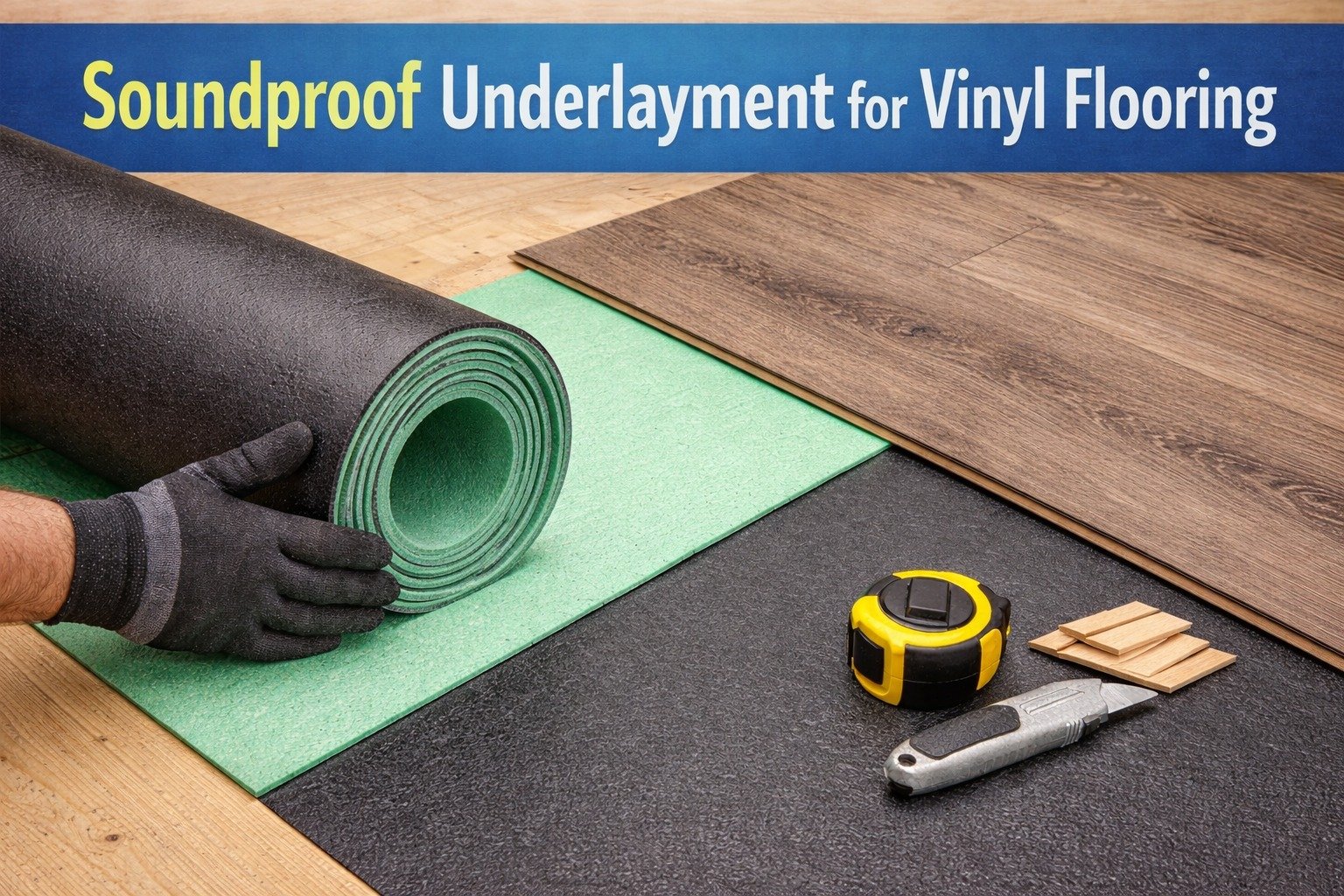
Soundproof underlayment for vinyl flooring
If you are searching for a high-quality Underlayment for vinyl flooring, durability is your best bet. This rubber underlayment is engineered to offer superior sound and noise reduction, it’s great for use in apartments, condos or any commercial space. With an IIC rating of 66, Duraquiet is designed to limit noise transfer and add comfort underfoot. Constructed of 95% recycled rubber, this product is not only environmentally responsible but also extremely durable and able to support all flooring types, including ceramic, vinyl and natural stone. Being anti-microbial and radiant heat system safe makes it a durable long-lasting solution for any type of floor.
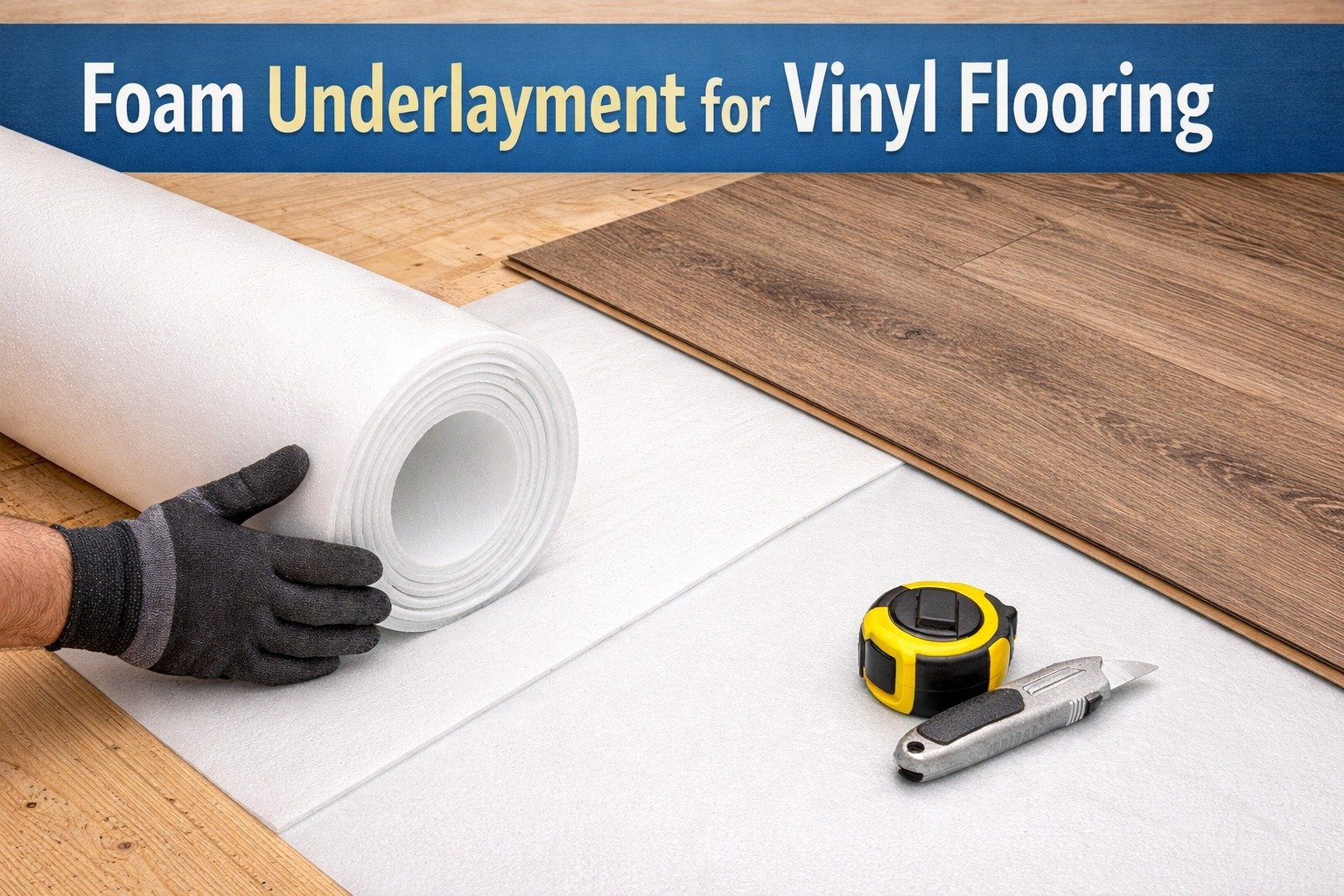
Foam underlayment for vinyl flooring
How to Install Foam Underlayment for vinyl flooring Foam underlayment is a great solution that provides comfort underfoot, acoustical and in compression support. It offers padding, which makes walking on your vinyl floors not only more comfortable underfoot but quieter as well. While it provides some insulation, foam underlayment is not a moisture barrier, so you might need to use an additional vapor barrier when installing it over concrete subfloors. Perfect if you want a simple, budget-friendly solution that delivers an easy install foam underlayment makes vinyl plank installations even softer.
Underlayment for vinyl floors
Foam underlayment for vinyl floors is an inexpensive way to add cushioning, sound insulation, and thermal properties while also helping to smooth minor sub-floor imperfections. However, it is lack of moisture resistance and a moisture barrier must be added, even on concrete sub-floors.
- Cheap: Foam underlayment is a cheap way to improve the performance of vinyl flooring, without costing you an arm and a leg. It provides value for money through increasing comfort and durability at an affordable price.
- Cushion: The foam pillow is a soft cushion under your feet. Allow you to walk when in the bathroom or stepping out of the shower/ tub. It’s great for highly trafficked locations which is usually more comfortable feeling than the actual vinyl floor.
- Noise Reduction: Foam underlayment eliminates sound when walking on the floor, making it great for upstairs rooms in multi-story homes. It provides sound reduction of foot traffic and impact, making for a quieter environment.
- Insulating properties: It is a basic thermal insulation and keeps floors warm in colder environments, but not when compared to the stars of underlayment. This makes it ideal for spaces like basements, where concrete subfloors can cause floors to feel cold.
- Underlayment Smoothing: It will flatten and level minor subfloor imperfections such as slight leveling irregularities or small bumps. This provides a more solid and flat underfoot support for vinyl floor installation without the cushion crushing from above giving an unlike feel on your feet.
- Moisture Protection: Underlay made of foam doesn’t offer moisture protection. When installed over concrete subfloors, it must be used with a moisture barrier to prevent mold growth with the Moisture Loc (available on Amazon) or similar product for long term performance.
- Longevity: Whether it’s a single foam underlayment or double, the durability of foam allows your carpet and vinyl to take normal wear-and-tear on the surface without losing its cushion. If not shielded from excessive wetness, the cardboard may deteriorate which in time will weaken its performance and life expectancy.
Is underlayment required for vinyl flooring
Generally you don’t need any sort of underlayment for vinyl plank flooring, although some might wonder if there are any additional benefits to using it. Vinyl flooring is oftentimes installed directly on top of a subfloor, which means that it may not always need an underlayment. This is most frequently the case in low-traffic areas or if you have a particularly stable subfloor (e.g. plywood). But, as we have encouraged, there are exceptions to the question of if underlayment can be omitted safely—like when you’re dealing with concrete subfloors and moisture is an issue or if your subfloor isn’t exactly level. For these instances consider a moisture barrier or a plywood underlayment to give you added protection and stability.
- Moisture Resistant: Because concrete subfloors have a tendency to retain water, it is important that you have moisture barrier underlayment when installing vinyl floors to keep your new floor from becoming damaged.
- Leveling Out Subfloor Variations: If your subfloor has some uneven areas, underlayment such as plywood will help even out those areas so your floor is always smooth and secure.
- Enhanced Durability: Vinyl is already nice and durable, but underlayment makes it even better by providing an extra layer of protection from scratches and other damage, especially in high-traffic areas.
- Added Comfort: For areas of your home where you want more cushion or if you don’t like the hard, cold feeling of tile as a material, a thin underlayment will work naturally with the floor to help create that soft feel This can be especially true in bedrooms and living spaces.
- Sound Insulation: correctly installed underlayment helps reduce the sound of footsteps or dropped items, which becoming an increasingly popular feature in multi-level buildings.
- Prevents Warranty Claims: Some manufacturers may require or recommend underlayment to avoid warranty claims, particularly in moist environments. Remember to check the manufacturer’s recommendations, though, to make sure you’re following their advice.
Waterproof underlayment for vinyl flooring
Water resistant underlayment for vinyl flooring is essential in moisture-prone areas such as kitchens, bathrooms, and basements. It soaks up the water, it makes your tent last longer and it makes camping more comfortable. The most popular are rubber, specialty foam and high-density cork – with all offering moisture resistance sound absorption. Eco Cork Foam, Roberts Black Jack and Floorlot GoldMax products come with benefits such as built-in vapor barriers and antimicrobial protection. Selecting the perfect waterproof underlayment guarantees a long lasting, high performance vinyl floor in wet locations.
Do you need underlayment for vinyl flooring
Vinyl flooring waterproof underlayment is essential for spaces known to have moisture like kitchen, bathroom, and basement. It maintains a complete resistance against water damage, adds durability, and enhances comfort. Top choices are rubber, proprietary foam and high-density cork, all of which offer moisture resistance and sound control. Those like Eco Cork Foam, Roberts Black Jack or Floorlot GoldMax even have additional perks such as being a 2-in-1 product with an attached vapor barrier and also anti-microbial protection. installing the right waterproof underlayment will make your vinyl flooring endure for a long time and work well in wet places.
Conclusion
Underlayment for vinyl flooring. Selecting the right underlayment for vinyl flooring is crucial for enhancing comfort, durability, and performance. While vinyl floors are generally durable, underlayment provides added benefits like moisture protection, sound insulation, and subfloor leveling. Waterproof options like rubber, foam, and high-density cork are essential for moisture-prone areas such as kitchens and bathrooms. Choosing the correct underlayment ensures a long-lasting, high-performance floor that maintains its appearance and functionality over time.